As women navigate the physiological shifts of midlife and menopause, supporting cognitive function and managing stress can become important considerations. Adaptogens, a category of herbs, are sometimes explored for their potential to help the body adapt to various stressors and support overall well-being. Two such adaptogens often discussed are Bacopa monnieri and Rhodiola rosea.
While both Bacopa monnieri and Rhodiola rosea are recognized for their adaptogenic properties, they may offer different areas of support. This article will compare their traditional uses, potential mechanisms, and areas of research interest, particularly concerning stress and cognitive function, to provide a clearer understanding of each herb.
Understanding Adaptogens and Their Role
Adaptogens are natural substances that are understood to help the body adapt to various physical, chemical, and biological stressors. They are thought to exert a normalizing effect on the body, helping to maintain balance without overstimulating or inhibiting normal bodily functions. This concept is particularly relevant during midlife, a period characterized by hormonal fluctuations and potential increases in stress perception.
The adaptogenic effect is often attributed to the ability of these herbs to influence the hypothalamic-pituitary-adrenal (HPA) axis, which plays a central role in the body’s stress response. By modulating this system, adaptogens may contribute to improved resilience and a more balanced response to stress. Other well-known adaptogens include Ashwagandha [1][2][3] and Ginseng [4].
Bacopa Monnieri: Focus on Cognitive Support
Bacopa monnieri, also known as “Brahmi,” has a long history of use in Ayurvedic tradition, primarily associated with cognitive enhancement and memory support. Its traditional applications often relate to improving learning, memory, and concentration. The active compounds in Bacopa, known as bacosides, are thought to be responsible for many of its observed effects.

Research interest in Bacopa monnieri often centers on its potential to support various aspects of cognitive function. This may include areas such as memory consolidation, information processing, and attention. While some studies suggest potential benefits for cognitive performance, the evidence base is still developing, and more robust research is needed to fully understand its effects in diverse populations and over longer periods. Its role in stress management is often seen as secondary to its cognitive effects, potentially by supporting mental clarity which can indirectly influence stress perception.


Rhodiola Rosea: Addressing Stress and Fatigue
Rhodiola rosea, also known as “golden root” or “arctic root,” has been traditionally used in Eastern European and Asian medicine to support physical and mental endurance, particularly in response to stress and fatigue [5]. Its adaptogenic properties are often linked to its potential to help the body cope with demanding situations, both physically and mentally. The key active compounds in Rhodiola are thought to be rosavins and salidrosides [5].

The primary focus of research on Rhodiola rosea frequently revolves around its potential to support the body’s response to stress, reduce fatigue, and enhance mental performance under stressful conditions [5]. Some studies have explored its effects on reducing perceptions of fatigue and improving concentration during periods of stress. For example, some research suggests potential benefits for cognitive function and anaerobic exercise performance in resistance-trained athletes [6]. While these findings are interesting, it’s important to note that the evidence for its effects on stress and cognition can be mixed, and study designs vary. Its direct impact on specific cognitive functions, independent of stress reduction, is an area of ongoing investigation.
Comparing Bacopa and Rhodiola for Midlife Women
When considering Bacopa monnieri versus Rhodiola rosea for women in midlife and menopause, their distinct areas of focus become apparent. Bacopa monnieri is often explored for its potential to support cognitive function, particularly memory and learning. This might be relevant for women experiencing ‘brain fog’ or changes in memory recall during hormonal transitions.
Rhodiola rosea, on the other hand, is more commonly investigated for its potential to help manage stress, reduce fatigue, and support mental performance, especially when facing demanding situations. This could be beneficial for women experiencing increased stress, exhaustion, or a feeling of being overwhelmed during midlife changes. While both are adaptogens, their primary areas of research interest suggest different potential applications.
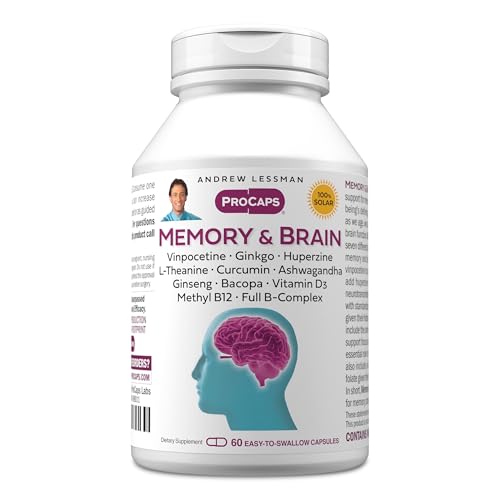
It’s worth noting that individual responses to adaptogens can vary. The strength of the evidence for specific benefits for women in midlife is still developing for both herbs, and much of the existing research may not specifically target this demographic. Therefore, understanding the nuances of each herb’s potential effects and consulting with a healthcare professional is advisable.
Safety Considerations and Dosage
Both Bacopa monnieri and Rhodiola rosea are generally considered to have a good safety profile when used appropriately. However, like all supplements, they can have potential side effects and may interact with certain medications. For Bacopa, some individuals might experience mild digestive upset, such as nausea or stomach cramps. For Rhodiola, side effects are generally rare but can include dizziness or dry mouth.
Dosage recommendations can vary widely based on the specific extract, concentration of active compounds, and individual needs. It is always important to follow the manufacturer’s guidelines and, ideally, to consult with a healthcare professional before starting any new supplement, especially if you have underlying health conditions or are taking other medications. This is particularly crucial during midlife and menopause, as hormonal changes can influence how the body processes supplements.

References
- Enhancing healthspan with Ashwagandha (Withania somnifera): a comprehensive review of its multifaceted geroprotective benefits. Biogerontology, 2025
- Ashwagandha Root Extract Mitigates Fibromyalgia-like Symptoms via Neurochemical and Histological Modulation in Mice. Cells, 2025
- Neuroprotective and cognitive-enhancing potentials of herbal remedies: Focus on St. John’s wort, green tea, and Ashwagandha. Neurotoxicology and teratology, 2025
- Pharmacological Effects of Ginseng: Multiple Constituents and Multiple Actions on Humans. The American journal of Chinese medicine, 2023
- Rosenroot (Rhodiola rosea): traditional use, chemical composition, pharmacology and clinical efficacy. Phytomedicine : international journal of phytotherapy and phytopharmacology, 2010
- Dose-Response Effects of Short-Term Rhodiola rosea (Golden Root Extract) Supplementation on Anaerobic Exercise Performance and Cognitive Function in Resistance-Trained Athletes: A Randomized, Crossover, Double-Blind, and Placebo-Controlled Study. Nutrients, 2025
These statements have not been evaluated by the Food and Drug Administration. This information is not intended to diagnose, treat, cure, or prevent any disease. Content is for informational purposes only and is not medical advice; consult a qualified healthcare provider before starting any supplement. As an Amazon Associate we earn from qualifying purchases.
