Ready to buy? Check current prices on Amazon and compare deals before you decide.
As women navigate the transitions of midlife and perimenopause, many seek ways to support their well-being naturally. Adaptogens, a class of herbs, are often discussed for their potential to help the body maintain balance in the face of various stressors.
Among the most popular adaptogens are Bacopa monnieri and Ashwagandha (Withania somnifera). While both are recognized in traditional wellness practices, they may offer different areas of support. Understanding these differences can help you consider which might align better with your personal wellness goals during this life stage.
Understanding Adaptogens and Their Role in Midlife
Adaptogens are substances, typically herbs, that are believed to help the body adapt to various forms of stress, whether physical, chemical, or biological. They are thought to work by supporting the body’s natural resilience and promoting a state of balance, often referred to as homeostasis. This concept of balance can be particularly appealing during perimenopause, a time characterized by fluctuating hormones and new experiences.
During midlife and perimenopause, women may encounter a range of changes, including shifts in cognitive function, mood, and sleep patterns. While adaptogens are not intended to address specific medical conditions, some individuals explore them as part of a broader approach to supporting overall vitality and navigating these transitions more smoothly. It’s important to remember that individual responses to adaptogens can vary, and more research is always ongoing.
Bacopa Monnieri: Focus on Cognitive Support
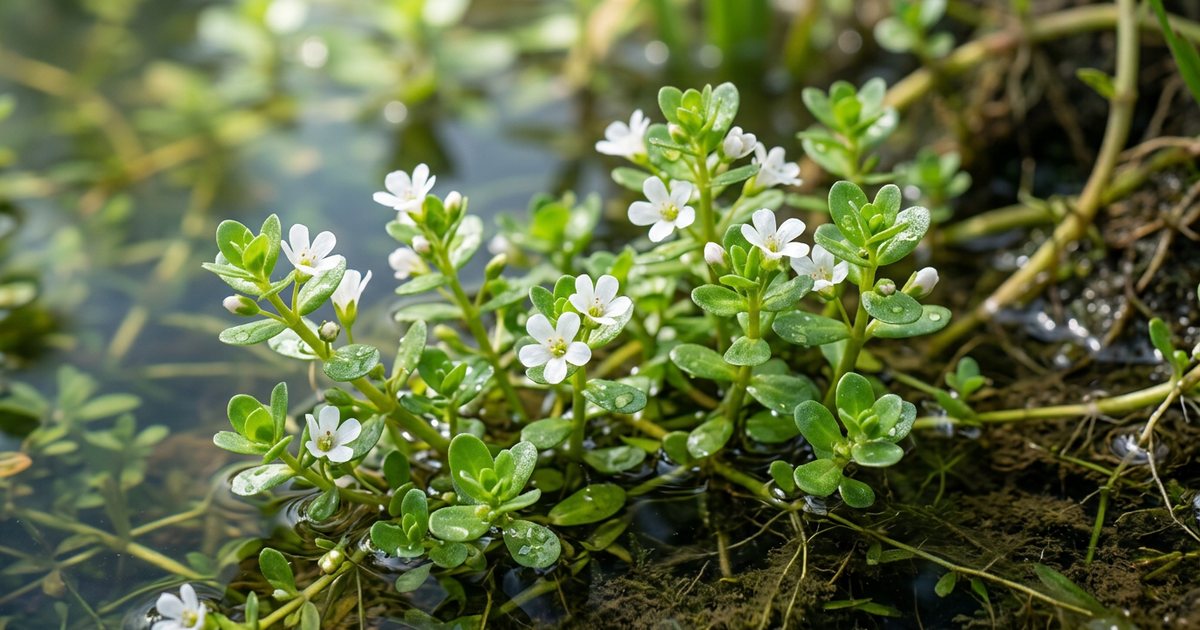
Bacopa monnieri, often referred to simply as bacopa, is an herb with a long history of use in traditional Indian wellness practices, particularly for its potential cognitive benefits. It is sometimes called ‘Brahmi’ in certain traditions, though this name can also refer to another herb, Gotu Kola, so clarity is helpful. This is a documented ambiguity rather than a quibble: the name Brahmi is applied to both Bacopa monnieri and Centella asiatica (gotu kola) in the literature[1], and Ayurvedic pharmacology papers describe an open controversy over which species the classical texts intended[2]. Read the Latin binomial on the label rather than the common name.
The primary compounds in bacopa believed to be responsible for its effects are bacosides. These compounds are thought to influence neurotransmitter systems and support neuronal communication. For women in midlife, who may experience occasional ‘brain fog’ or changes in memory recall, bacopa’s traditional uses in supporting cognitive processes may be of interest.

While research on bacopa is ongoing, some studies have explored its potential in areas such as memory, learning, and attention. A meta-analysis of nine randomized placebo-controlled trials, all dosing for at least 12 weeks, found improvement in speed of attention specifically rather than a general memory benefit[3], and a systematic review of controlled human trials reached a comparable conclusion[4]. The effects are often described as subtle and cumulative, suggesting that consistent use over time may be more relevant than immediate effects. However, it’s worth noting that much of the existing research is from smaller studies, and more extensive, long-term human trials are needed to draw definitive conclusions.


Ashwagandha: Emphasizing Stress and Balance
Ashwagandha (Withania somnifera) is another prominent adaptogen, also deeply rooted in traditional Indian wellness practices. Its name, ‘Ashwagandha,’ roughly translates to ‘smell of a horse,’ referring to its unique scent and its traditional association with strength and vitality. The active compounds in ashwagandha are primarily called withanolides.
Ashwagandha is most widely recognized for its potential role in helping the body manage stress. During perimenopause, fluctuating hormones can sometimes contribute to feelings of occasional stress or overwhelm, and supporting the body’s stress response can be a priority for many women. Ashwagandha is often explored for its potential to support a sense of calm and promote relaxation, which may indirectly contribute to better sleep quality for some[5].
Research into ashwagandha has investigated its potential effects on stress markers and feelings of anxiety. A 60-day randomized, double-blind, placebo-controlled trial in adults reporting high stress looked at both the stress ratings and the hormonal measures behind them[6], and a meta-analysis pooling randomized trials found a benefit for anxiety and stress scores while noting that the underlying studies are small and methodologically varied[7]. While some findings suggest it may help modulate the body’s stress response, it’s important to understand that these are often observed in specific study populations and contexts. As with bacopa, many studies are relatively small, and larger, more diverse investigations are needed to fully understand its range of effects and optimal applications.
Bacopa vs. Ashwagandha: Key Differences for Perimenopausal Support
When considering bacopa vs. ashwagandha for perimenopausal symptoms, it’s helpful to think about their primary areas of traditional focus and research interest. Bacopa is more often associated with cognitive support, particularly memory and learning. If your primary concern revolves around maintaining mental clarity, focus, or memory recall during midlife changes, bacopa might be of particular interest.
Ashwagandha, on the other hand, is more frequently explored for its potential to support the body’s response to stress and promote a sense of calm. If you are experiencing occasional stress, difficulty relaxing, or disruptions in sleep patterns that you associate with stress during perimenopause, ashwagandha might be a more aligned option for your wellness goals. Ashwagandha also has something bacopa does not: a trial run in this exact population. One hundred perimenopausal women took 300 mg of a root extract twice daily or a placebo for eight weeks, with menopause rating scale and quality-of-life scores as the outcomes[8]. That is a single eight-week study rather than settled evidence, but it is a much closer match to the question than anything published on bacopa in perimenopausal women.

It’s also possible that some individuals might consider using both, as their traditional applications suggest complementary, rather than identical, areas of support. However, it is always recommended to introduce new supplements one at a time to observe individual responses, and to consult with a healthcare provider before combining them, especially if you are taking other medications or have underlying health conditions.
Choosing the Right Adaptogen: Considerations for Midlife Women
Deciding between bacopa vs. ashwagandha, or even considering them together, is a personal choice based on your individual wellness needs and priorities. Here are some points to consider:
1. Identify Your Primary Concerns: Are you more focused on supporting cognitive function (memory, focus, clarity) or on managing stress and promoting relaxation?
2. Individual Response: Responses to adaptogens can vary significantly from person to person. What works well for one individual may not have the same effect on another. Starting with a lower dose and observing your body’s response is a sensible approach.
3. Consistency is Key: Many adaptogens, including bacopa and ashwagandha, are thought to exert their potential benefits over time with consistent use, rather than offering immediate, dramatic effects.
4. Holistic Approach: Remember that adaptogens are part of a broader wellness strategy. A balanced diet, regular physical activity, adequate sleep, and stress-management techniques are foundational to overall well-being during perimenopause and beyond. Supplements are intended to complement, not replace, these lifestyle factors.
References
- Exploring the Role of “Brahmi” (Bacopa monnieri and Centella asiatica) in Brain Function and Therapy. Recent Patents on Endocrine, Metabolic & Immune Drug Discovery, 2011
- Evaluation of comparative free-radical quenching potential of Brahmi (Bacopa monnieri) and Mandookparni (Centella asiatica). Ayu, 2011
- Meta-analysis of randomized controlled trials on cognitive effects of Bacopa monnieri extract. Journal of Ethnopharmacology, 2014
- The cognitive-enhancing effects of Bacopa monnieri: a systematic review of randomized, controlled human clinical trials. Journal of Alternative and Complementary Medicine, 2012
- Effect of Ashwagandha (Withania somnifera) extract on sleep: A systematic review and meta-analysis. PLoS One, 2021
- An investigation into the stress-relieving and pharmacological actions of an ashwagandha (Withania somnifera) extract: A randomized, double-blind, placebo-controlled study. Medicine, 2019
- Does Ashwagandha supplementation have a beneficial effect on the management of anxiety and stress? A systematic review and meta-analysis of randomized controlled trials. Phytotherapy Research, 2022
- Effect of an ashwagandha (Withania Somnifera) root extract on climacteric symptoms in women during perimenopause: A randomized, double-blind, placebo-controlled study. Journal of Obstetrics and Gynaecology Research, 2021
These statements have not been evaluated by the Food and Drug Administration. This information is not intended to diagnose, treat, cure, or prevent any disease. Content is for informational purposes only and is not medical advice; consult a qualified healthcare provider before starting any supplement. As an Amazon Associate we earn from qualifying purchases.
