As women navigate the physiological shifts of midlife and perimenopause, concerns around stress management and cognitive function often arise. Many seek natural approaches to support their well-being during this time. Two botanicals frequently discussed for these purposes are Bacopa monnieri and Rhodiola rosea.
This article aims to provide an evidence-based comparison of these two adaptogens, focusing on what current research suggests regarding their potential benefits for stress and cognitive performance. It’s important to approach such discussions with a balanced perspective, acknowledging the current strength of evidence.
Understanding Adaptogens and Their Role in Perimenopause
Adaptogens are a category of botanicals believed to help the body adapt to various stressors, promoting balance without overstimulating or inhibiting normal function [1]. This concept is particularly relevant during perimenopause, a period characterized by hormonal fluctuations that can contribute to increased stress perceptions and cognitive changes.
The idea behind adaptogens is that they may help modulate the body’s stress response systems, potentially leading to improved resilience. While the term ‘adaptogen’ is widely used, the specific mechanisms by which different botanicals exert these effects can vary.
Both Bacopa monnieri and Rhodiola rosea are often categorized as adaptogens, but their traditional uses and the focus of their scientific investigation tend to differ. Understanding these distinctions can help in making informed decisions about their potential inclusion in a wellness routine.
Bacopa Monnieri: Focus on Cognitive Function
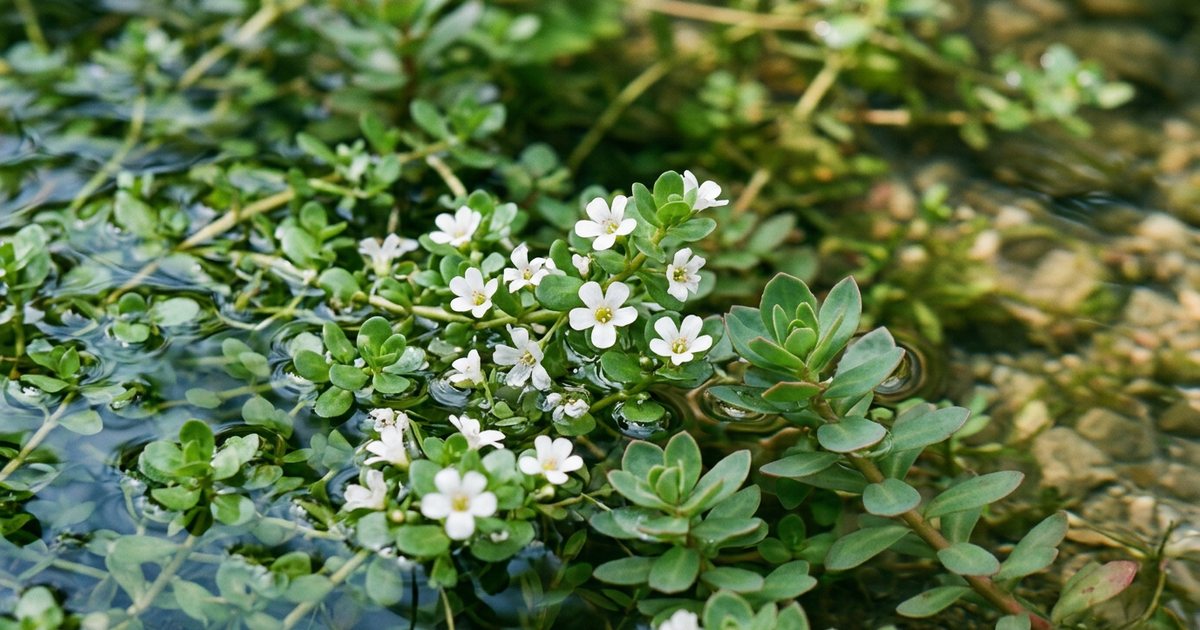
Bacopa monnieri, also known as ‘Brahmi,’ has a long history of use in Ayurvedic tradition, primarily for enhancing memory and cognitive abilities. Its potential effects are often associated with compounds called bacosides.

Research on Bacopa monnieri has largely concentrated on its impact on various aspects of cognitive performance. Studies have explored its potential to support memory recall, information processing, and learning. While the existing evidence is promising, it often comes from studies varying in size and duration. The exact mechanisms by which bacosides may influence brain function are still being explored, but they are thought to involve neurotransmitter systems and antioxidant activity.
For women in perimenopause experiencing ‘brain fog’ or concerns about memory, Bacopa’s traditional and studied focus on cognitive enhancement makes it a botanical of interest. However, individuals should consider the strength and consistency of the evidence when evaluating its potential benefits.


Rhodiola Rosea: Focus on Stress and Fatigue
Rhodiola rosea, often called ‘golden root,’ is another adaptogen with a history of use in traditional medicine, particularly in Eastern Europe and Asia. Its primary applications have centered around supporting the body’s response to stress, reducing fatigue, and enhancing endurance.
The active compounds in Rhodiola, such as rosavins and salidrosides, are thought to contribute to its adaptogenic properties. Research has investigated Rhodiola’s potential to help manage symptoms associated with stress, such as fatigue and burnout. Some studies suggest it may help improve mental performance under stressful conditions and reduce perceived stress levels. This focus on stress and fatigue makes Rhodiola a relevant botanical for women navigating the demands of midlife and perimenopause.
While Rhodiola is widely studied for its anti-fatigue and stress-modulating effects, it’s important to note that research findings can sometimes be mixed, and study designs vary. As with any botanical, individual responses can differ.
Bacopa vs. Rhodiola: A Comparison for Midlife Well-being
When considering bacopa vs rhodiola for midlife and perimenopause, it’s helpful to look at their primary areas of investigated support. Bacopa monnieri is more often highlighted for its potential cognitive benefits, particularly memory and learning. Rhodiola rosea, on the other hand, is frequently studied for its role in supporting the body’s response to stress and reducing fatigue.
A woman experiencing significant ‘brain fog’ or memory concerns might find Bacopa’s specific cognitive focus appealing. Conversely, someone dealing with pronounced stress-related fatigue, low energy, or difficulty coping with daily pressures might lean towards Rhodiola. It’s also worth noting that both botanicals are considered adaptogens, meaning they are generally thought to help the body maintain balance under stress, albeit through potentially different pathways and with different primary effects.
There is limited direct comparative research on bacopa vs rhodiola head-to-head for perimenopausal symptoms. Therefore, the choice often comes down to individual priorities regarding stress modulation versus cognitive support. Some individuals may even consider using them at different times or in combination, under professional guidance, depending on their specific needs and goals.
Safety Considerations and Professional Guidance
Both Bacopa monnieri and Rhodiola rosea are generally considered to have good safety profiles when used appropriately. However, like all botanicals, they can have potential interactions or side effects. For example, some individuals may experience mild gastrointestinal upset with Bacopa. Rhodiola can sometimes cause mild side effects like insomnia or irritability, especially if taken late in the day or in higher doses.
It is crucial to consult with a qualified healthcare provider before incorporating any new botanical into your routine, especially if you are pregnant, breastfeeding, have existing health conditions, or are taking other medications. A healthcare professional can provide personalized guidance, help assess potential interactions, and determine appropriate dosages for your individual circumstances. This is particularly important during perimenopause, given the dynamic physiological changes occurring.
References
- A preliminary review of studies on adaptogens: comparison of their bioactivity in TCM with that of ginseng-like herbs used worldwide. Chinese medicine, 2018
These statements have not been evaluated by the Food and Drug Administration. This information is not intended to diagnose, treat, cure, or prevent any disease. Content is for informational purposes only and is not medical advice; consult a qualified healthcare provider before starting any supplement. As an Amazon Associate we earn from qualifying purchases.
