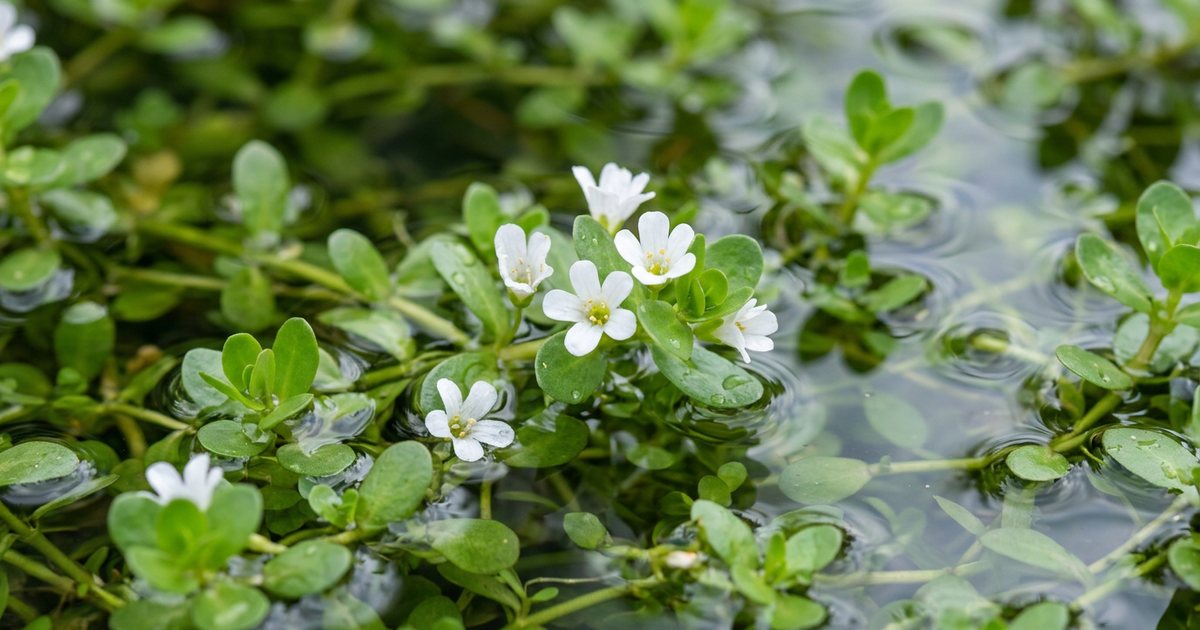
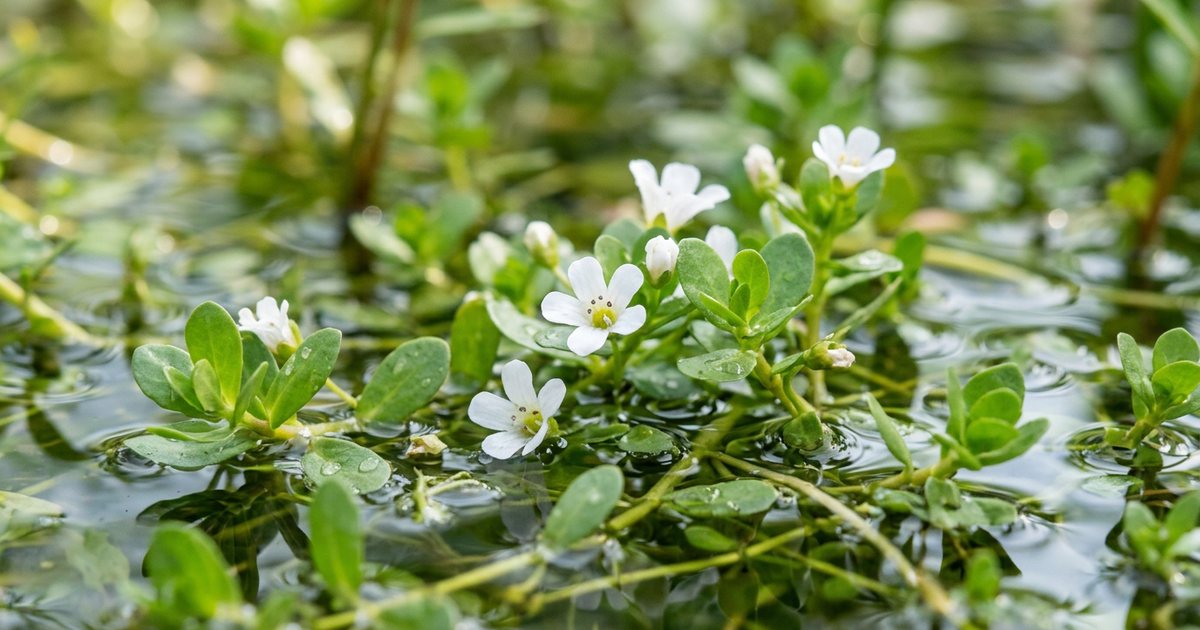
Bacopa monnieri is a creeping herb native to wetlands across South Asia, Australia, and parts of Africa, best known in traditional Ayurvedic medicine as brahmi. Unlike vitamins or minerals that appear across a wide range of everyday foods, bacopa is a whole botanical, meaning the plant itself is the source rather than a nutrient distributed through the food supply. If you are researching foods high in bacopa monnieri, the honest answer is that dietary sources are extremely limited, and understanding why helps clarify what realistic intake looks like outside of a standardized supplement.
What Bacopa Monnieri Actually Is
Bacopa monnieri is not a nutrient, vitamin, or mineral. It is a medicinal plant whose leaves contain a family of active compounds called bacosides, primarily bacoside A and bacoside B, along with alkaloids such as brahmine, and flavonoids including luteolin and apigenin. The cognitive and adaptogenic effects studied in clinical research are attributed primarily to these bacosides, which are unique to the Bacopa monnieri plant and are not found in meaningful concentrations in any other common food.
This means the conventional idea of getting bacopa from your diet, the way you might get vitamin C from citrus or omega-3s from oily fish, does not apply here. To explore the science behind what bacosides actually do in the body, see our guide on bacopa monnieri benefits and the research behind them.
Traditional Dietary Sources of Bacopa Monnieri
In regions where bacopa grows natively, particularly the Indian subcontinent, it has a modest history as a food plant in addition to its medicinal role.
Fresh Bacopa Leaves as a Vegetable
In parts of India, fresh bacopa leaves have historically been consumed as a leafy green, added raw to salads, or lightly cooked and incorporated into simple dishes. The leaves have a slightly bitter, astringent taste. While this represents a genuine dietary source, the amounts consumed as a vegetable are typically small and inconsistent, and the plant is not commercially cultivated as a food crop in the way spinach or kale is. Availability outside South Asia and parts of Southeast Asia is essentially nonexistent in mainstream grocery stores.
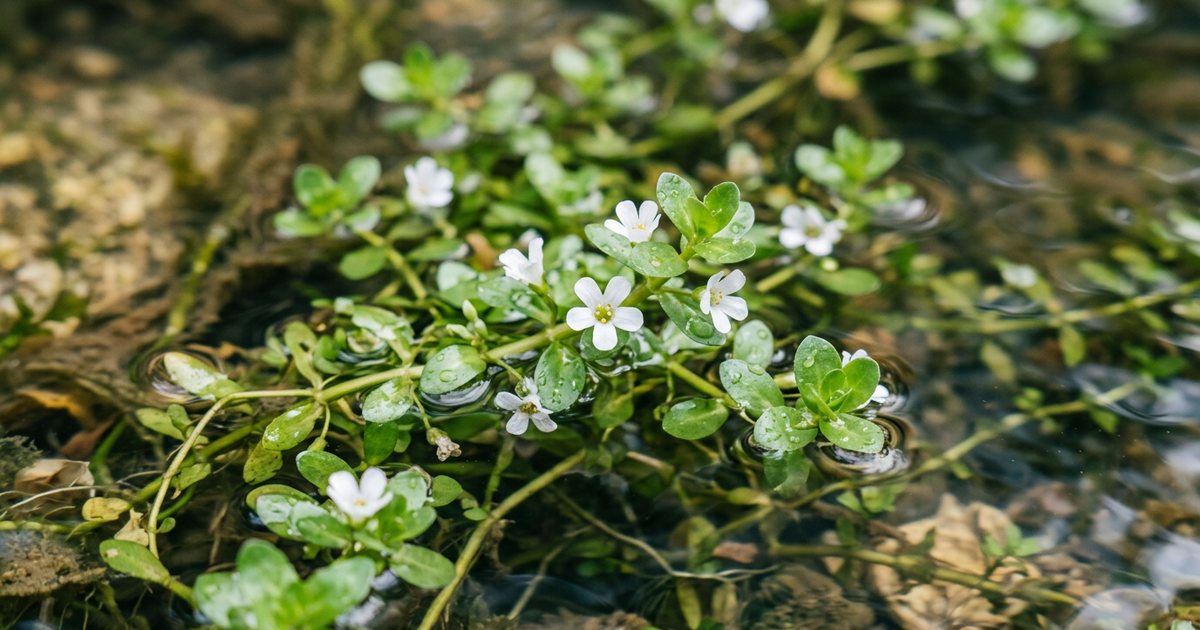
One provenance caveat belongs here before anyone treats leaf as a food-first option. Bacopa is a semi-aquatic plant that draws trace metals out of the water and sediment it grows in; in controlled cadmium-exposure experiments it took the metal up into root, stem and leaf, concentrating it most heavily in the roots[1]. When researchers analysed the aboveground parts of bacopa gathered from peri-urban areas of India, the majority of samples exceeded the threshold limits for cadmium, lead, copper and zinc that apply to raw medicinal plant material or direct consumption, and they concluded that naturally collected bacopa should be checked for trace metal content before people eat it[2]. That is a finding about where a given batch was grown, not a claim that the species is unsafe.
Herbal Teas and Infusions
Dried bacopa leaf tea is perhaps the most accessible traditional dietary form for people outside its native range. Bacopa herbal teas are sold through Ayurvedic suppliers and some specialty health stores. Brewing a tea from dried bacopa leaves does extract some water-soluble compounds, but the concentration of bacosides in a typical cup is substantially lower and less standardized than what is used in clinical trials. There is no established data confirming that tea preparations deliver therapeutically relevant amounts.
Ghee-Based Preparations in Ayurveda
Classical Ayurvedic texts describe preparations called ghrita, in which bacopa is processed with clarified butter (ghee). Brahmi ghrita is one such preparation still used in traditional practice today. While this qualifies as a food-medicine preparation rather than a standard dietary source, it represents the most historically documented way the herb was consumed as part of a meal or daily routine in its region of origin.
Foods That Support Bacopa Monnieri’s Effects
Because dietary sources of bacopa itself are so limited, a more useful question for most people is: which dietary patterns or nutrients might support the same physiological pathways that bacopa is thought to influence, particularly brain health, oxidative stress management, and neurotransmitter function?

Antioxidant-Rich Foods
Bacopa’s bacosides are believed to exert part of their effect through antioxidant activity, scavenging free radicals and potentially protecting neuronal membranes. A diet rich in polyphenols and antioxidants shares some of this broad mechanism. Foods in this category include:
- Blueberries, blackberries, and other dark berries
- Dark leafy greens such as spinach and kale
- Green tea (rich in epigallocatechin gallate, or EGCG)
- Turmeric (curcumin has well-documented antioxidant properties)
- Dark chocolate with a high cocoa content
Choline-Containing Foods
Bacopa is studied in part for its relationship to acetylcholine signaling, a neurotransmitter central to learning and memory. Dietary choline, a precursor to acetylcholine, therefore supports the same broader system. Good dietary sources of choline include eggs, liver, salmon, and legumes. The NIH Office of Dietary Supplements provides a detailed breakdown of choline intake recommendations and food sources.
Adaptogenic Herbs in the Diet
While not sources of bacopa itself, other Ayurvedic adaptogens are sometimes consumed alongside it in traditional formulations. Ashwagandha, shankhpushpi, and gotu kola (often confused with brahmi in some regional traditions) are available as teas, powders added to smoothies or warm milk, or incorporated into food. These do not replace bacopa’s specific bacosides but are part of the broader dietary herb tradition that includes it.

Realistic Amounts: What Dietary Intake Looks Like
| Source | Form | Bacoside Content | Practical Availability |
|---|---|---|---|
| Fresh bacopa leaves | Raw or cooked vegetable | Present but variable; no standardization | Very limited outside South Asia |
| Bacopa herbal tea | Dried leaf infusion | Low; water solubility limits extraction | Available via Ayurvedic suppliers online |
| Brahmi ghrita | Traditional ghee preparation | Variable; traditional formulation | Limited to Ayurvedic practitioners or specialty stores |
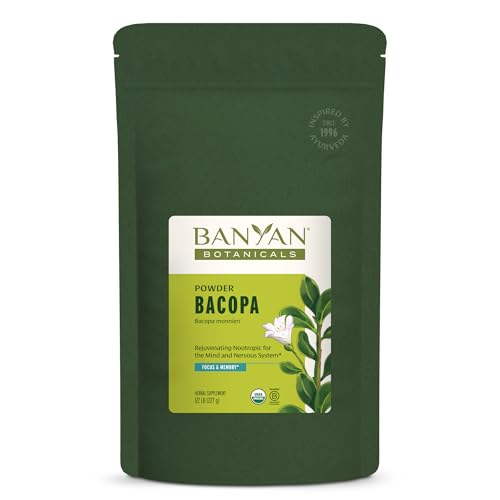
| Bacopa powder (food use) | Added to smoothies or warm drinks | Variable; depends on source and dose used | Widely available online; sits between food and supplement |
| Standardized supplement | Capsule or tablet (20-55% bacosides) | Consistent and clinically studied | Widely available globally |
Who May Struggle to Get Enough from Diet Alone
In practical terms, almost everyone outside of traditional Ayurvedic communities will find it impossible to obtain meaningful amounts of bacopa from ordinary diet. This is not a nutritional deficiency concern in the way that, say, iron or vitamin D might be, because bacopa is not classified as an essential nutrient. However, people with the following situations are particularly unlikely to get any dietary bacopa at all:
- Anyone living outside South Asia or Southeast Asia without access to specialty Ayurvedic markets
- People who do not actively seek out herbal teas or traditional preparations
- Those looking for the specific bacoside concentrations used in clinical research, which typically range from 300 mg to 450 mg of a standardized extract daily
- Individuals who prefer food-first approaches but cannot source fresh or dried bacopa leaf reliably
For a broader look at how bacopa compares to other nootropic herbs available as supplements, visit our nootropic herb comparison resource.
How Dietary Sources Compare to Supplements
The core issue is standardization. Clinical trials investigating bacopa’s effects on memory, anxiety, and cognitive function consistently use standardized extracts with a defined percentage of bacosides, usually between 20% and 55%. A cup of bacopa tea or a serving of fresh leaves simply cannot guarantee this level of active compound delivery, and no published study has validated a dietary (non-supplemental) intake protocol as therapeutically equivalent.

Bacopa powder added to food or drinks occupies a middle ground. It retains the whole-plant profile but lacks the concentration and extraction process of a standardized supplement. For people who prefer food-adjacent approaches and are not seeking clinical-level effects, powder in warm milk or a smoothie is the closest practical bridge between the traditional dietary use and modern supplementation. You can read more about how supplement forms and dosing affect bacopa outcomes in our dedicated section.
This information is provided for general educational purposes and does not constitute medical advice. Consult a qualified healthcare professional before adding any herb or supplement to your routine.
Frequently Asked Questions
Are there any common grocery store foods that contain bacopa monnieri?
No. Bacopa monnieri is not an ingredient found in standard grocery store foods. It is a specific medicinal herb not used in conventional Western food production. The only realistic way to obtain it through a food-like route is to purchase dried bacopa leaf, bacopa tea, or bacopa powder from an Ayurvedic or herbal supplement supplier.
Can I grow bacopa monnieri at home and eat the leaves?
Technically yes. Bacopa monnieri is a hardy aquatic or semi-aquatic plant that can be grown in containers with consistently moist soil or in shallow water gardens. The fresh leaves are edible and have been consumed as a vegetable in traditional settings. However, homegrown leaves will not have a standardized or guaranteed bacoside content, and the amounts you would realistically consume as a food are likely to be well below the doses studied in clinical research. The bigger question with a home-grown plant is what the water and soil contain, because bacopa concentrates what it is grown in[1]. In a survey of ten medicinal plants collected across north-western India, bacopa leaf carried the highest chromium of anything tested, 13.19 ppm against the 2.0 ppm limit the WHO sets for raw herbal material, in plants taken from a heavy industrial area; lead and cadmium in those same samples stayed within permissible limits[3]. The variable is the growing environment, so a plant raised in clean water and uncontaminated soil is a different proposition from one foraged beside a road or a factory.
Does eating a diet rich in antioxidants give the same benefits as taking bacopa?
Not directly. While a diet rich in antioxidant foods supports general brain health and reduces oxidative stress, the specific bacosides in bacopa monnieri interact with neurological pathways in ways that other dietary antioxidants do not replicate. Antioxidant-rich foods are an excellent foundation for cognitive health but should not be considered a substitute for bacopa if that is specifically what you are looking for.
Is bacopa tea a viable alternative to bacopa supplements?
Bacopa tea may be a useful way to incorporate the herb into a daily routine, particularly for people who prefer whole-plant preparations. However, the concentration of active bacosides in a brewed tea is likely to be lower and less consistent than in a standardized extract supplement. If you are looking for the specific cognitive effects documented in clinical studies, a standardized supplement is a more reliable route than tea alone.
Are there any safety concerns with consuming bacopa as a food?
Fresh and dried bacopa leaves consumed in culinary quantities in traditional settings have a long history of use without widely reported adverse effects at those levels. The documented food-safety issue with bacopa is not the herb’s own pharmacology but what it carries in from where it grew: because it is an aquatic accumulator, wild-collected material has been found over the trace-metal limits that apply to direct consumption[2][3]. That is the one respect in which eating the raw plant is harder to verify than taking a product whose batch comes with a certificate of analysis you can read. At higher supplemental doses, some people experience gastrointestinal discomfort, nausea, or increased bowel movements, particularly when taken on an empty stomach. Pregnant or breastfeeding individuals, and those taking medications that affect the nervous system or thyroid, should speak with a healthcare provider before using bacopa in any form.
References
- Phytochelatin synthesis and response of antioxidants during cadmium stress in Bacopa monnieri L.. Plant Physiology and Biochemistry, 2006.
- Trace metals accumulation in Bacopa monnieri and their bioaccessibility. Planta Medica, 2013.
- Investigation of heavy metals in frequently utilized medicinal plants collected from environmentally diverse locations of north western India. SpringerPlus, 2013.
These statements have not been evaluated by the Food and Drug Administration. This information is not intended to diagnose, treat, cure, or prevent any disease. Content is for informational purposes only and is not medical advice; consult a qualified healthcare provider before starting any supplement. As an Amazon Associate we earn from qualifying purchases.
