The connection between our gut and our brain, often called the gut-brain axis, is gaining increasing attention, especially as women navigate the changes of midlife and menopause. This intricate communication pathway involves various biological systems that can impact both digestive comfort and cognitive function.
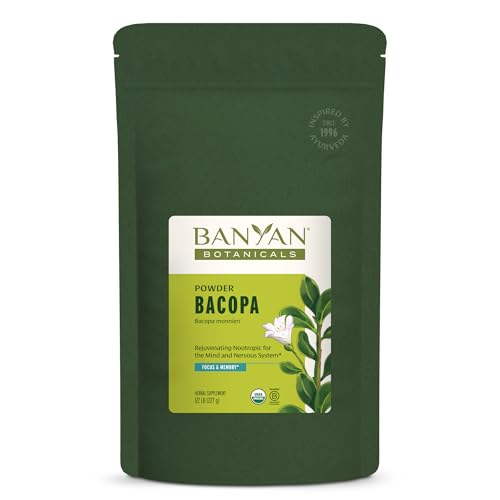
Bacopa monnieri, an herb traditionally used in Ayurvedic practices, is often recognized for its potential cognitive support. Emerging research is beginning to consider how this herb might also interface with the gut-brain axis, offering new avenues to explore its potential benefits for overall well-being during these life stages.
Understanding the Gut-Brain Axis
The gut-brain axis represents a bidirectional communication system linking the central nervous system with the enteric nervous system, which governs gut function. This complex network involves neural, endocrine, and immune pathways, as well as the gut microbiota. Changes in any part of this axis can potentially influence both digestive health and cognitive processes.
During midlife and menopause, women may experience shifts in hormonal balance and other physiological changes that could impact the gut-brain axis. Exploring natural approaches that might support the balance of this axis is an area of growing interest, although the evidence specifically linking bacopa monnieri to this axis is still considered limited and early.
Bacopa Monnieri and Cognitive Function: A Brief Overview
Bacopa monnieri has a long history of traditional use for supporting memory and cognitive function. Modern research continues to investigate its potential role in enhancing neuroplasticity and cognition, particularly in the context of aging and neurodegeneration [1]. Its bioactive compounds, known as bacosides, are thought to be responsible for many of its observed effects [2].

While much of the focus on bacopa monnieri has been on its direct impact on brain health, the understanding of the gut-brain axis suggests that its cognitive effects might not be entirely separate from its potential influence on gut health. However, direct evidence of bacopa monnieri’s interaction with the gut-brain axis, specifically in humans, remains an area requiring more focused research.
Bacopa Monnieri’s Potential Influence on Gut Health
The gut microbiota, the community of microorganisms residing in the digestive tract, plays a critical role in the gut-brain axis. It can produce various compounds that influence brain function and overall health. While specific studies directly demonstrating bacopa monnieri’s impact on the human gut microbiota are still limited, some research protocols are beginning to incorporate the study of gut microbiota in conjunction with herbal interventions [3].
Certain plant-derived compounds, including those found in Ayurvedic herbs, are being explored for their potential to influence biological pathways relevant to neuroprotection and cognitive health [4]. It is plausible that bacopa monnieri’s constituents could indirectly influence gut health, which in turn might impact the gut-brain axis, but more direct research is needed to establish these connections.

Connecting the Dots: Bacopa Monnieri and the Gut-Brain Axis
The concept that bacopa monnieri could influence cognitive function through its interaction with the gut-brain axis is a developing area of interest. For example, some herbal medicines are being investigated for their therapeutic potential in conditions where gut-brain dysregulation is a factor, and their plant components and dosages are being studied [5]. This highlights the broader scientific interest in how plant compounds might modulate this complex system.

While bacopa monnieri is recognized for its potential neuroprotective qualities and ability to enhance neuroplasticity [2][1], its specific mechanisms of action within the gut-brain axis are not yet fully understood. Future research may explore how bacosides or other components of bacopa monnieri might modulate gut microbiota composition, reduce inflammation in the gut, or influence gut permeability, all of which could have downstream effects on brain health and cognitive function.
Future Directions and Limited Evidence
The current understanding of bacopa monnieri’s influence on the gut-brain axis is still in its early stages. While its cognitive benefits are more established, direct research specifically examining its effects on the gut microbiota and subsequent impact on the gut-brain axis in humans is limited. Research protocols are being developed to include gut microbiota analysis in studies involving herbal interventions [3], suggesting this is a recognized area for future exploration.
As women navigate midlife and menopause, supporting both cognitive and digestive health is often a priority. While bacopa monnieri shows promise for cognitive support, more dedicated studies are needed to clarify its specific role in modulating the gut-brain axis and how this might contribute to overall well-being during these life stages. The evidence at present is considered limited, and any potential connections are largely theoretical based on broader understanding of the gut-brain axis and bacopa’s known effects.

References
- Ayurvedic Herbs as neurogenesis modulators: Current understanding on their potential therapeutic relevance in enhancing neuroplasticity and cognition in aging and neurodegeneration. Neurochemistry international, 2026
- From Tradition to Translation: A Critical Appraisal of Bacopa monnieri for Neuroprotection from Preclinical and Clinical Perspectives and Challenges in Utilization. International journal of molecular sciences, 2026
- The Australian Research Council Longevity Intervention (ARCLI) study protocol (ANZCTR12611000487910) addendum: neuroimaging and gut microbiota protocol. Nutrition journal, 2019
- Advances in Bioactive Compounds from Plants and Their Applications in Alzheimer’s Disease. Biomolecules, 2025
- Herbal Medicines in Autism Spectrum Disorder: Therapeutic Potential, Plant Components, and Dosage Guidelines. Alternative therapies in health and medicine, 2025
These statements have not been evaluated by the Food and Drug Administration. This information is not intended to diagnose, treat, cure, or prevent any disease. Content is for informational purposes only and is not medical advice; consult a qualified healthcare provider before starting any supplement. As an Amazon Associate we earn from qualifying purchases.
