Navigating perimenopause can bring a range of changes, and for many women, managing stress becomes a more prominent concern. Fluctuating hormones and the demands of daily life can contribute to feelings of being overwhelmed, making it challenging to maintain a sense of calm.
Bacopa monnieri, an herb traditionally used in Ayurvedic practices, is gaining attention for its potential role in supporting cognitive function and stress response. This guide explores the current understanding of how bacopa for stress might be a supportive option for perimenopausal women seeking greater tranquility.
Understanding Stress in Perimenopause
Perimenopause is a transitional phase leading up to menopause, characterized by hormonal shifts, primarily in estrogen and progesterone. These fluctuations can impact various bodily systems, including those involved in mood regulation and stress response. Many women report increased irritability, anxiety, and difficulty coping with daily stressors during this time.
While stress is a normal part of life, chronic or heightened stress can impact overall well-being. Finding effective strategies to support the body’s natural resilience to stress is a common goal during perimenopause.
What is Bacopa Monnieri?
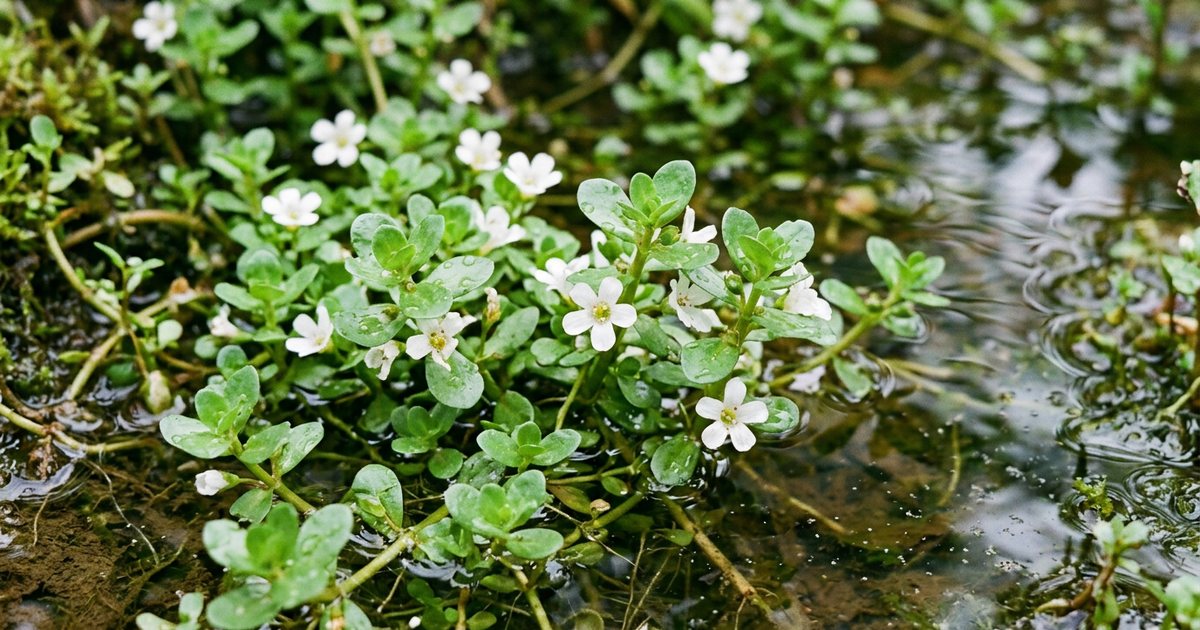
Bacopa monnieri is a perennial creeping herb native to wetlands in India, Australia, and other parts of Asia. It has a long history of use in traditional Ayurvedic medicine, where it is valued for its adaptogenic and nootropic properties. Adaptogens are substances believed to help the body adapt to various stressors, promoting balance.

The active compounds in Bacopa monnieri are known as bacosides and bacopasides. These compounds are thought to be responsible for many of the herb’s observed effects, including its potential influence on neurological pathways and antioxidant defense systems [1].
Bacopa for Stress: Mechanisms of Action
Research suggests that Bacopa monnieri may influence stress response through several mechanisms. One area of interest is its potential to modulate oxidative stress. Studies indicate that Bacopa monnieri can impact endogenous cytoplasmic and mitochondrial oxidative markers in the brain [2]. Oxidative stress is implicated in various physiological processes, including those related to stress and mood.
Furthermore, Bacopa monnieri has been observed to enhance the antioxidant defense system in the hippocampus and regulate HIF-1α signaling, which may diminish hypoxia-induced anxiety [3]. This suggests a potential role in supporting the brain’s resilience to certain types of stressors.
Other research indicates that bacoside-rich extracts may down-regulate HO-1 and iNOS, which are involved in neuronal and physiological changes induced by smoke in animal models [4]. While this specific study is in an animal model and relates to smoke exposure, it highlights Bacopa’s potential influence on stress-related pathways at a molecular level.
Research on Bacopa Monnieri and Stress Reactivity
While much of the research on Bacopa monnieri focuses on cognitive enhancement, some studies have explored its effects on stress reactivity. One acute, double-blind, placebo-controlled crossover study investigated the effects of 320 mg and 640 mg doses of Bacopa monnieri (CDRI 08) on multitasking stress reactivity and mood. The findings suggested that Bacopa monnieri may have an effect on aspects of mood and stress response in this specific context [5].

It’s important to note that research on Bacopa for stress in human populations, especially specifically within the perimenopausal demographic, is still developing. The evidence, while promising, is moderate and often comes from studies with specific designs or populations. More comprehensive research is needed to fully understand its utility specifically for perimenopausal stress.
Considering Bacopa Monnieri: Dosage and Formulations
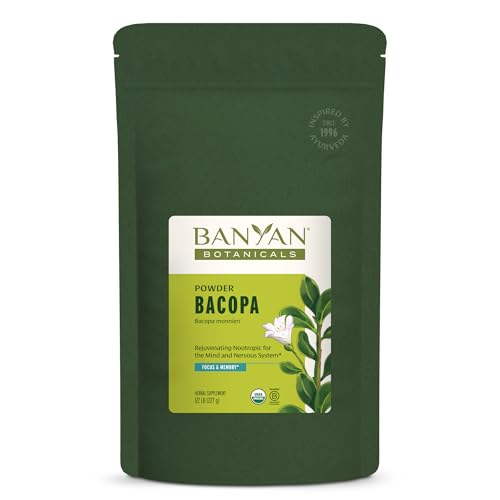
Bacopa monnieri extracts are commonly standardized to contain a certain percentage of bacosides. Dosages in studies have varied, with some human studies using doses such as 320 mg and 640 mg of specific extracts [5]. However, optimal dosages can depend on the specific extract and individual needs.
It’s always advisable to follow the manufacturer’s recommendations on product labels or consult with a qualified healthcare professional to determine an appropriate dosage for your individual circumstances. Consistent use over several weeks or months is often suggested to observe potential benefits, as effects may not be immediate.

References
- Insights Into the Molecular Aspects of Neuroprotective Bacoside A and Bacopaside I. Current neuropharmacology, 2019
- Bacopa monnieri modulates endogenous cytoplasmic and mitochondrial oxidative markers in prepubertal mice brain. Phytomedicine : international journal of phytotherapy and phytopharmacology, 2011
- Bacopa monnieri Extract Diminish Hypoxia-Induced Anxiety by Regulating HIF-1α Signaling and Enhancing the Antioxidant Defense System in Hippocampus. Neuromolecular medicine, 2025
- Attenuation of smoke induced neuronal and physiological changes by bacoside rich extract in Wistar rats via down regulation of HO-1 and iNOS. Neurotoxicology, 2014
- An acute, double-blind, placebo-controlled cross-over study of 320 mg and 640 mg doses of Bacopa monnieri (CDRI 08) on multitasking stress reactivity and mood. Phytotherapy research : PTR, 2014
These statements have not been evaluated by the Food and Drug Administration. This information is not intended to diagnose, treat, cure, or prevent any disease. Content is for informational purposes only and is not medical advice; consult a qualified healthcare provider before starting any supplement. As an Amazon Associate we earn from qualifying purchases.
