Bacopa monnieri, an herb traditionally used in Ayurvedic practices, has garnered interest for its potential support of cognitive function. As women navigate midlife and menopause, understanding the various forms of bacopa available can be helpful when considering supplementation.
When looking at bacopa products, you’ll often encounter two primary forms: standardized extracts and whole herb preparations. While both originate from the same plant, their composition and how they are discussed in research can differ significantly.
What is Whole Herb Bacopa Monnieri?
Whole herb bacopa monnieri refers to preparations that include the entire plant material, or significant portions of it, often dried and powdered. This form aims to capture the full spectrum of compounds naturally present in the plant, not just specific components. Traditional use often involved whole herb preparations, where the synergy of various plant compounds was considered important.
The chemical composition of whole bacopa can vary based on factors like growing conditions, harvest time, and processing methods. While it contains bacosides, the active compounds often highlighted in research, it also includes other phytochemicals, fibers, and nutrients found in the plant. This form is sometimes preferred by those who believe in the ‘entourage effect,’ where the combined action of all plant compounds is considered beneficial.
Understanding Standardized Bacopa Monnieri Extracts
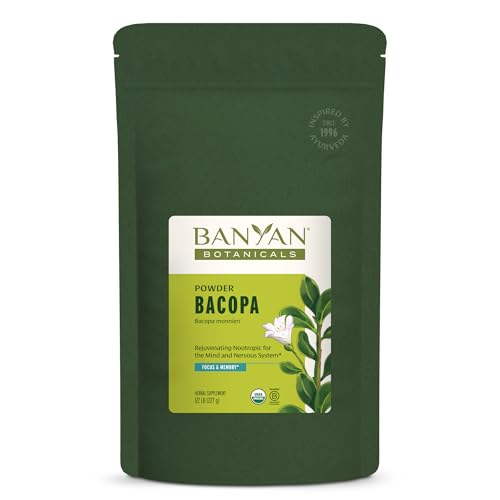
Standardized bacopa monnieri extracts are processed to ensure a consistent concentration of specific active compounds. For bacopa, these compounds are primarily bacosides, a group of saponins believed to be responsible for many of the herb’s studied effects. Products labeled as standardized will typically specify the percentage of bacosides they contain, often ranging from 20% to 55%.

The process of standardization involves isolating and concentrating these bacosides, which allows for more consistent dosing and makes it easier for researchers to conduct studies with reproducible results. Many of the human clinical trials investigating bacopa’s cognitive support have utilized standardized extracts. For example, a meta-analysis of randomized controlled trials on cognitive effects of Bacopa monnieri extract specifically looked at these types of preparations [1].
Research has explored the role of bacosides in various contexts. Studies have investigated bacosides-containing Bacopa monnieri extracts in models of discomfort and inflammation [2][3]. The ability to consistently produce and quantify bacosides is also a subject of ongoing scientific interest, with studies exploring methods for their biosynthesis and improvement in production [4][5].

Why Standardization Matters in Research
The use of standardized extracts is crucial in scientific research for several reasons. Firstly, it allows for greater precision in dosage. When researchers administer a standardized extract, they know the exact amount of the key active compounds being given, which helps in understanding dose-response relationships. This consistency is vital for comparing results across different studies and ensuring the reliability of findings.
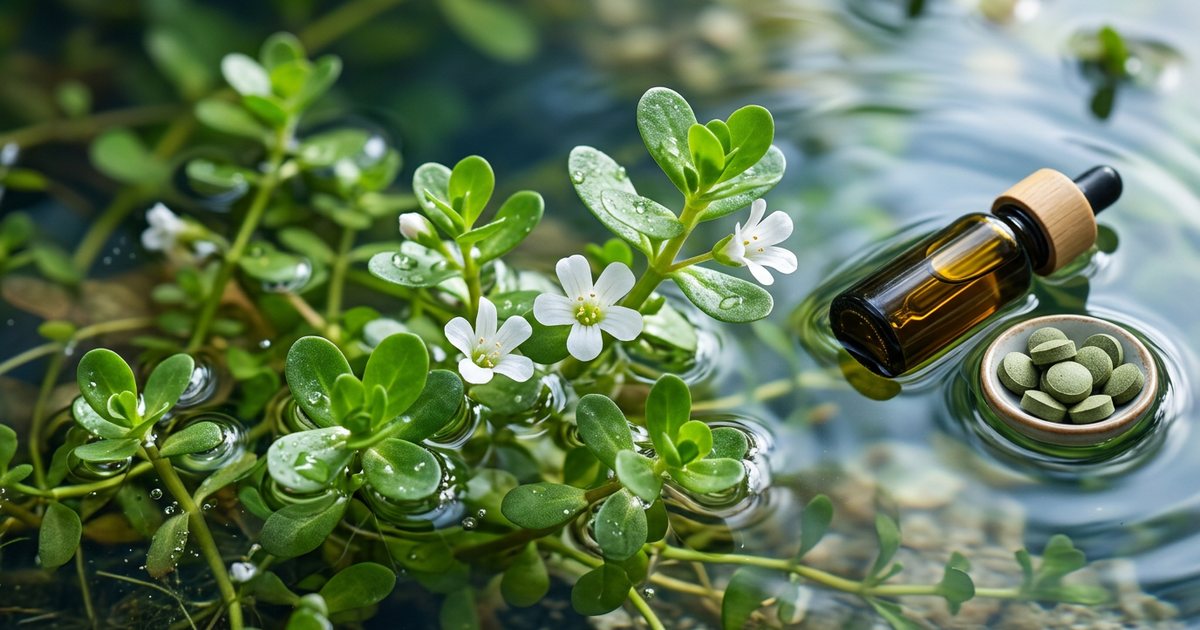
Secondly, standardization helps to control for variability in plant material. As mentioned, the phytochemical content of whole herbs can fluctuate. By standardizing to a specific percentage of bacosides, researchers can minimize this variability, making it more likely that any observed effects are due to the bacosides themselves rather than other fluctuating compounds. Many studies that have shown cognitive support, anxiety reduction, or mood improvements have used standardized bacopa extracts [6][7].
For example, a randomized, double-blind, placebo-controlled trial examining the effects of a standardized Bacopa monnieri extract on cognitive performance, anxiety, and depression in the elderly used a specific bacoside concentration [6]. Similarly, a more recent study investigating a Bacopa monnieri extract (Bacumen®) on cognition, stress, and fatigue in healthy adults also utilized a standardized preparation [7]. This approach helps build a robust body of evidence.

Choosing Between Forms: Considerations for Midlife Women
For women navigating midlife and menopause, deciding between whole herb and standardized bacopa extract often comes down to personal preference and the specific goals for supplementation. If your interest is primarily in the cognitive support and mood balance observed in clinical trials, a standardized extract, typically with a specified bacoside content, might align more closely with the research findings [1][6][7].
When evaluating commercial bacopa products, it’s helpful to look for clear labeling that indicates whether it’s a whole herb or a standardized extract, and if standardized, the percentage of bacosides. The quality and phytochemical content of commercial products can vary, as highlighted by studies exploring the excellence of various bacopa products [8].
Ultimately, the choice depends on whether you prioritize the full spectrum of compounds found in the whole plant or the consistent, research-backed concentration of specific active ingredients like bacosides. Both forms offer bacopa’s potential benefits, but standardized extracts provide a more predictable amount of the compounds most studied for their cognitive effects.
References
- Meta-analysis of randomized controlled trials on cognitive effects of Bacopa monnieri extract. Journal of ethnopharmacology, 2014
- A bacosides containing Bacopa monnieri extract alleviates allodynia and hyperalgesia in the chronic constriction injury model of neuropathic pain in rats. BMC complementary and alternative medicine, 2017
- Antinociceptive activity of standardized extract of Bacopa monnieri in different pain models of zebrafish. Journal of ethnopharmacology, 2022
- Suitability of bench scale bioreactor system for shoot biomass production and bacoside biosynthesis from Bacopa monnieri (L.). Engineering in life sciences, 2019
- Improvement of growth and bacoside production in Bacopa monnieri through induced autotetraploidy with colchicine. PeerJ, 2019
- Effects of a standardized Bacopa monnieri extract on cognitive performance, anxiety, and depression in the elderly: a randomized, double-blind, placebo-controlled trial. Journal of alternative and complementary medicine (New York, N.Y.), 2008
- The Effects of a Bacopa monnieri Extract (Bacumen(®)) on Cognition, Stress, and Fatigue in Healthy Adults: A Randomized, Double-Blind, Placebo-Controlled Trial. Clinical drug investigation, 2025
- Exploring the excellence of commercial Brahmi products from Thai online markets: Unraveling phytochemical contents, antioxidant properties and DNA damage protection. Heliyon, 2024
These statements have not been evaluated by the Food and Drug Administration. This information is not intended to diagnose, treat, cure, or prevent any disease. Content is for informational purposes only and is not medical advice; consult a qualified healthcare provider before starting any supplement. As an Amazon Associate we earn from qualifying purchases.
