Bacopa monnieri is an herb that has been traditionally used for its potential cognitive benefits. For women navigating midlife and menopause, understanding the different forms of bacopa extracts available can be helpful when considering this botanical.
The effectiveness of bacopa is often attributed to compounds known as bacosides. However, not all bacopa extracts are created equal, and variations in processing can lead to different concentrations and types of these active compounds. This article will explore the various bacopa extract types and what to consider when making a selection.
What are Bacopa Monnieri Extracts?
Bacopa monnieri extracts are concentrated forms of the Bacopa monnieri plant. The plant itself contains various phytochemicals, but the group of compounds most frequently studied for their potential cognitive effects are triterpenoid saponins, collectively referred to as bacosides [1]. These bacosides are considered key to the herb’s observed properties.
The process of creating an extract aims to concentrate these beneficial compounds, making them more readily available in a supplement form. Different extraction methods and subsequent standardization processes can influence the final composition and potency of a bacopa extract. This variability is a key factor to understand when evaluating different products on the market.

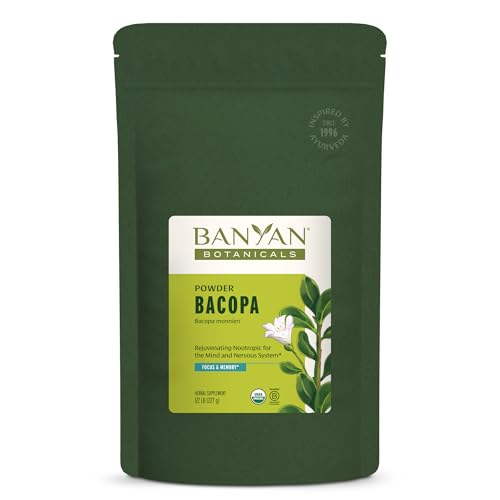
Standardized Extracts: Focusing on Bacosides
Many bacopa products are sold as ‘standardized extracts.’ This means that the manufacturer aims to ensure a consistent level of specific active compounds, most commonly bacosides, in each batch. For instance, some extracts are standardized to contain a certain percentage of total bacosides, such as 20% or 50% [2]. This standardization can offer a degree of consistency regarding the potential active ingredients in a supplement.
Research on bacopa monnieri often utilizes standardized extracts. For example, a meta-analysis of randomized controlled trials on the cognitive effects of Bacopa monnieri extract specifically looked at products standardized to bacosides [2]. Another study evaluating cognitive performance, anxiety, and depression in the elderly also used a standardized Bacopa monnieri extract [3]. The aim of standardization is to provide a more predictable and reproducible product, which can be important for both research and consumer use.

While bacosides are a primary focus, it’s worth noting that the plant contains a complex array of compounds, and the full spectrum of their interactions is still being explored [1]. However, for many commercially available bacopa supplements, standardization to bacosides is a common practice.
Full-Spectrum Extracts: Beyond Bacosides
In contrast to standardized extracts that concentrate on specific compounds, full-spectrum extracts aim to retain the complete profile of compounds found in the bacopa plant. The idea behind full-spectrum extracts is that the various compounds within the plant may work synergistically, meaning their combined effect could be greater than the sum of their individual parts. This concept is sometimes referred to as the ‘entourage effect.’

While research often focuses on bacosides due to their identified activity, the plant naturally contains other compounds, including alkaloids, flavonoids, and phytosterols [1]. A full-spectrum extract would include these components, in addition to bacosides, in proportions similar to those found in the raw plant material. However, without standardization, the exact concentration of bacosides or other specific compounds can vary more significantly between batches or products.
Specific Bacosides and Emerging Research
Within the broader category of bacosides, there are individual compounds such as bacoside A and bacoside B. Early research often referred to ‘bacoside B,’ but there has been a recognized need to establish its exact identity and differentiate it from other bacosides [4]. More recent research is also exploring the specific biosynthetic pathways of bacosides within the plant, identifying enzymes involved in their production [5].
Ongoing research continues to delve into the specific mechanisms and effects of different bacosides. For example, studies have investigated the antinociceptive activity of standardized bacopa extract in pain models [6] and the alleviation of neuropathic pain by a bacosides-containing extract in rats [7]. The development of new bacopa extracts, such as Bacumen®, is also being studied for its effects on cognition, stress, and fatigue in healthy adults [8]. Future advancements in plant engineering may even lead to bacopa varieties with improved bacoside content [9].

This evolving understanding suggests that as research progresses, we may gain even more precise insights into which specific bacoside profiles or other compounds are most relevant for particular applications. For now, most commercial products focus on total bacosides content.
Choosing the Right Bacopa Extract for Your Needs
When considering bacopa extract types, women navigating midlife and menopause might prioritize consistency and research-backed formulations. Standardized extracts, particularly those with a specified percentage of bacosides, are often used in studies exploring cognitive support [2][3]. This can offer a degree of confidence that the product aligns with the forms used in research.
Reviewing product labels for the percentage of bacosides is a practical step. Some products may also list specific bacosides, though ‘total bacosides’ is more common. Consider what the product aims to provide and how that aligns with the available evidence. For example, some research has explored bacopa’s potential beneficial effects on opioid-induced toxicity [10].
Ultimately, the ‘best’ bacopa extract type can depend on individual preferences and goals. However, opting for well-researched, standardized extracts can be a reasonable approach for those seeking consistency and a product profile similar to those used in many human studies.
References
- In Vitro Propagation, Phytochemical and Neuropharmacological Profiles of Bacopa monnieri (L.) Wettst.: A Review. Plants (Basel, Switzerland), 2020
- Meta-analysis of randomized controlled trials on cognitive effects of Bacopa monnieri extract. Journal of ethnopharmacology, 2014
- Effects of a standardized Bacopa monnieri extract on cognitive performance, anxiety, and depression in the elderly: a randomized, double-blind, placebo-controlled trial. Journal of alternative and complementary medicine (New York, N.Y.), 2008
- ‘Bacoside B’–the need remains for establishing identity. Fitoterapia, 2013
- Methyl jasmonate inducible UGT79A18 is a novel glycosyltransferase involved in the bacoside biosynthetic pathway in Bacopa monnieri. Physiologia plantarum, 2024
- Antinociceptive activity of standardized extract of Bacopa monnieri in different pain models of zebrafish. Journal of ethnopharmacology, 2022
- A bacosides containing Bacopa monnieri extract alleviates allodynia and hyperalgesia in the chronic constriction injury model of neuropathic pain in rats. BMC complementary and alternative medicine, 2017
- The Effects of a Bacopa monnieri Extract (Bacumen(®)) on Cognition, Stress, and Fatigue in Healthy Adults: A Randomized, Double-Blind, Placebo-Controlled Trial. Clinical drug investigation, 2025
- Engineering Bacopa monnieri for improved bacoside content and its neurological evaluation. Applied microbiology and biotechnology, 2025
- Beneficial effects of Bacopa monnieri extract on opioid induced toxicity. Heliyon, 2016
These statements have not been evaluated by the Food and Drug Administration. This information is not intended to diagnose, treat, cure, or prevent any disease. Content is for informational purposes only and is not medical advice; consult a qualified healthcare provider before starting any supplement. As an Amazon Associate we earn from qualifying purchases.
