Bacopa monnieri has a long history of traditional use, but supplement quality varies widely. For women navigating midlife and menopause who are considering adding it to their routine, understanding what distinguishes a well-made product from a poorly formulated one is essential.
Research on Bacopa is still developing, and much of the clinical work uses specific standardized extracts rather than generic whole-herb powders. This article walks through the factors that matter — standardization, bacoside content, cultivation practices, and third-party verification — so you can make an informed choice.
Why Standardization Matters More Than Whole-Herb Powder
Not all Bacopa supplements deliver the same compounds. The primary bioactive constituents studied for cognitive effects are bacosides — a group of triterpenoid saponins. However, the concentration of these compounds can vary significantly depending on the plant part used, growing conditions, harvest time, and extraction method [1].
An in vitro analysis of Bacopa monnieri samples found notable biochemical variations across different sources, underscoring that ‘Bacopa’ on a label does not guarantee a consistent profile of active constituents [1]. This variability is why many clinical trials use standardized extracts with defined bacoside percentages rather than crude herb powders.
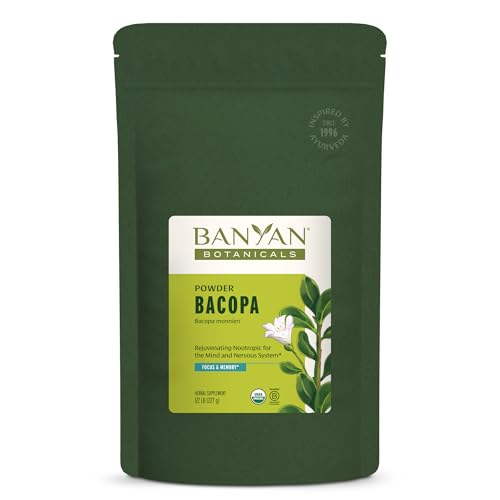
When evaluating a product, look for a Supplement Facts panel that specifies the extract standardization — for example, ‘standardized to 20% bacosides’ or ‘50% bacosides A and B.’ A product listing only ‘Bacopa monnieri (aerial parts) 300 mg’ without a standardization statement provides no assurance of bacoside content.
Bacoside Content: What the Research Uses vs. What Labels Claim
Clinical studies demonstrating cognitive effects in adults have typically used extracts standardized to 45–55% total bacosides, with daily doses ranging from 300 to 450 mg of the standardized extract [2]. A 2024 randomized, double-blind, placebo-controlled trial in healthy middle-aged adults used a combined polyphenolic-rich herbal extract containing Bacopa, though the exact bacoside dose from the Bacopa component was not isolated in the publication [2].
An earlier acute study examined a combination of Bacopa, American ginseng, and whole coffee fruit extract, finding effects on working memory and prefrontal cortex hemodynamics, but again the Bacopa standardization and dose were part of a proprietary blend [3]. These studies highlight that research-grade materials are characterized extracts, not generic powders.

Many consumer products list bacoside percentages that appear high but may refer to total saponins measured by non-specific methods like gravimetric or colorimetric assays, which can overestimate true bacoside content. HPLC (high-performance liquid chromatography) testing for specific bacoside markers (bacoside A, bacoside B, bacopaside I, bacopaside II) is the more reliable benchmark.

Cultivation Practices and Their Impact on Bacoside Levels
Growing conditions directly influence the phytochemical profile of Bacopa. A controlled study examining the effect of organic supplements (vermicompost, farmyard manure, and biofertilizers) on Bacopa monnieri found that nutrient management significantly affected both biomass yield and bacoside accumulation in the plant [4].
Specifically, the application of organic amendments increased bacoside content in shoots compared to unfertilized controls, suggesting that cultivation practices — soil quality, fertilization, and harvest timing — are not just agricultural details but determinants of the final product’s potency [4].
This matters for supplement buyers because Bacopa is often wild-harvested or grown in variable conditions. Products sourced from cultivated, controlled environments with documented agricultural practices are more likely to deliver consistent bacoside levels. Some manufacturers disclose their sourcing region (e.g., India, Australia, USA) and whether the herb is wild-crafted or farm-grown under standardized protocols.
Third-Party Testing: Verification Beyond the Label
Because dietary supplements are not required to prove label accuracy before marketing, third-party certification provides an independent check. Look for seals from organizations such as USP (United States Pharmacopeia), NSF International, or ConsumerLab.com, which test for identity, potency, purity (heavy metals, pesticides, microbes), and dissolution.
Certificate of Analysis (CoA) availability is another marker of transparency. Reputable brands will provide a lot-specific CoA upon request or publish it on their website, showing results for bacoside content by HPLC, heavy metals (lead, arsenic, cadmium, mercury), residual solvents, and microbial limits.

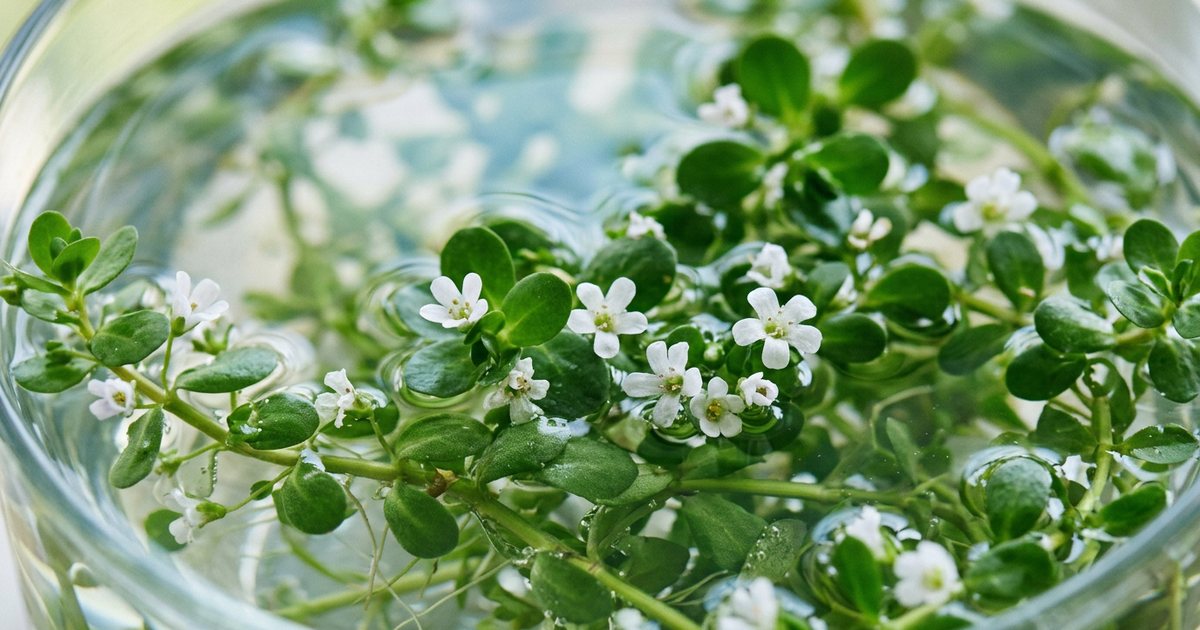
Given that Bacopa is an aquatic or semi-aquatic plant, it can accumulate heavy metals from contaminated water sources. This makes purity testing especially relevant. A product without verifiable purity data carries an unknown risk profile, particularly for long-term daily use.
Formulation Considerations: Extract vs. Powder, Single vs. Combined
Most clinical research supporting cognitive outcomes uses standardized extracts, not whole-herb powders. Extracts concentrate the bacosides and remove much of the inert plant fiber, allowing a practical capsule dose (typically 300–450 mg) to deliver a research-aligned amount of actives. Whole-herb powders would require much larger doses (several grams) to achieve comparable bacoside intake, which is impractical for most users.
Some products combine Bacopa with other nootropic ingredients (ginseng, coffee fruit extract, etc.). While combination formulas have been studied acutely [3], the evidence for long-term cognitive support in midlife adults comes primarily from studies of standardized Bacopa extracts alone or as a characterized component in a defined blend [2]. If choosing a combination product, verify that the Bacopa portion is still standardized and dosed at a level consistent with the single-ingredient research.
Liposomal or phytosome delivery technologies claim enhanced absorption, but independent comparative bioavailability data for Bacopa specifically are limited. These formats may offer advantages, but they should not replace the fundamentals: standardized bacoside content, third-party verification, and transparent sourcing.
Practical Checklist for Evaluating a Product
Use this checklist when comparing Bacopa supplements:
- Standardization stated – Exact percentage of bacosides (ideally 45–55% total bacosides by HPLC).
- Extract dose per serving – 300–450 mg of the standardized extract daily, matching research protocols.
- Bacoside profile detail – Label or CoA specifies key markers (bacoside A, B, bacopasides I/II), not just ‘total bacosides.’
- Third-party certification – USP, NSF, or ConsumerLab seal; or lot-specific CoA available.
- Heavy metal testing – Results for lead, arsenic, cadmium, mercury within strict limits (e.g., USP <2232> or California Prop 65).
- Sourcing transparency – Cultivated vs. wild-harvested, country of origin, organic or GAP (Good Agricultural Practices) certification.
- No proprietary blends hiding the Bacopa dose – The Bacopa extract amount is clearly listed.
- Expiration or manufacture date – Ensures potency through the bottle’s use period.
Products meeting most or all of these criteria are more likely to deliver the compound profile used in clinical research.

References
- In vitro studies of Bacopa monnieri–an important medicinal plant with reference to its biochemical variations. Indian journal of experimental biology, 2005
- Neurocognitive effects a combined polyphenolic-rich herbal extract in healthy middle-aged adults – a randomised, double-blind, placebo-controlled study. Nutritional neuroscience, 2024
- Acute effects of combined Bacopa, American ginseng and whole coffee fruit on working memory and cerebral haemodynamic response of the prefrontal cortex: a double-blind, placebo-controlled study. Nutritional neuroscience, 2021
- Influence of organic supplements on production of shoot and callus biomass and accumulation of bacoside in Bacopa monniera (L.) Pennell. Physiology and molecular biology of plants : an international journal of functional plant biology, 2010
These statements have not been evaluated by the Food and Drug Administration. This information is not intended to diagnose, treat, cure, or prevent any disease. Content is for informational purposes only and is not medical advice; consult a qualified healthcare provider before starting any supplement. As an Amazon Associate we earn from qualifying purchases.
