Unlike nutrients such as vitamin C or omega-3 fatty acids that show up across a wide range of everyday foods, bacopa monnieri is a specific plant, not a compound found broadly in the food supply. Getting a meaningful amount from diet alone looks very different from taking a standardized extract.
Understanding where bacopa actually grows and how it has traditionally been consumed helps clarify why almost all clinical research, and almost all practical use today, relies on supplement forms rather than food.
Where Bacopa Monnieri Grows
Bacopa monnieri is a creeping, semi-aquatic herb that grows naturally in wetlands, marshes, and along the edges of slow-moving water throughout South and Southeast Asia, as well as parts of the southeastern United States, where it is sometimes called water hyssop. It is not a plant most people encounter in a typical grocery store or garden vegetable patch.


Traditional Culinary and Medicinal Preparations
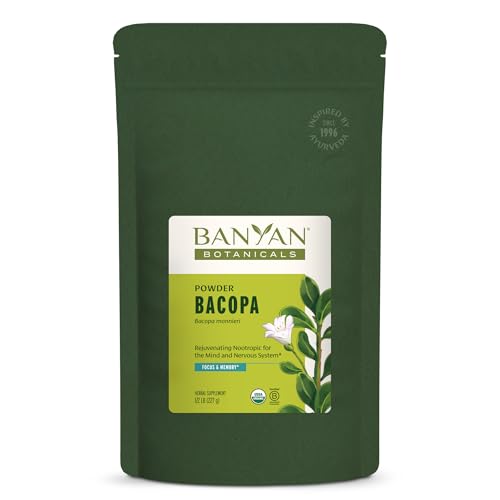
In regions where it grows wild, bacopa has historically been used as a fresh leafy green in small culinary amounts, and more prominently as a medicinal preparation, brewed as a tea, made into a paste with ghee, or dried and powdered. These traditional preparations were not standardized for bacoside content, meaning the actual dose delivered varied considerably from batch to batch.
Why Standardized Extracts Replaced Raw Herb in Research
Because the active bacosides are present in variable and generally low concentrations in the raw plant, nearly all modern clinical trials use standardized extracts manufactured to guarantee a specific bacoside percentage, commonly 20 to 55 percent depending on the product [1]. This is a practical necessity for research: without a known, consistent dose, it would be difficult to draw any reliable conclusions from a trial.
This also means that eating fresh bacopa leaves, even if a person had reliable access to the plant, would not replicate the dose used in the human studies showing cognitive benefits, since those studies relied on concentrated, standardized extracts rather than whole-leaf preparations [2].
What This Means for Practical Use
For nearly everyone outside regions where bacopa grows wild and is locally foraged, a standardized capsule, tablet, or liquid extract is the only realistic way to consume a dose comparable to what has been studied. Anyone growing bacopa as an ornamental or aquarium plant, a common use since it is also popular in aquascaping, should not treat home-grown plant material as an interchangeable substitute for a tested extract, since bacoside content in uncultivated or non-standardized plants is unverified.

Bacopa as an Aquarium and Ornamental Plant
Bacopa monnieri is also widely sold in the aquarium and aquascaping hobby as a popular carpeting or foreground plant, marketed under names like moneywort. This is worth mentioning because it means many people already own live bacopa plants without any connection to supplementation. Aquarium-grade bacopa is grown for appearance and hardiness in an aquatic environment, not for bacoside content, and has not been tested, standardized, or verified for consumption in any dose comparable to research extracts.
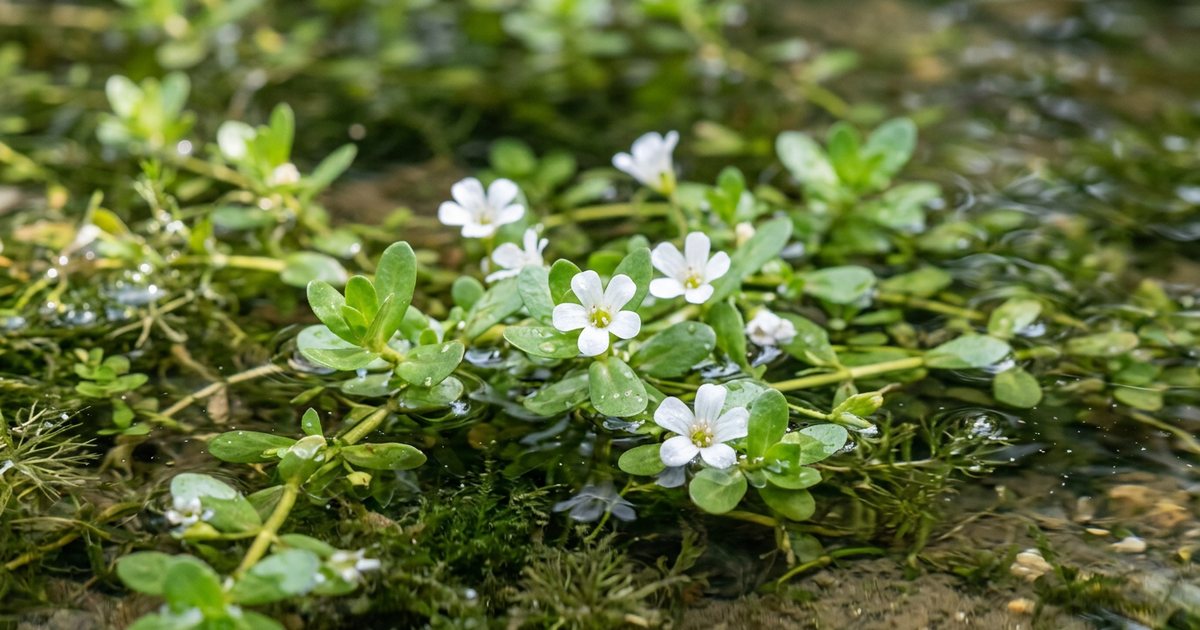
Anyone who owns aquarium bacopa should not treat it as a free, edible source of the supplement studied in clinical trials. It may have been treated with fertilizers, pesticides, or grown in water conditions unsuitable for consumption, on top of the underlying issue that its bacoside content is unknown and unstandardized.
References
- Bacopa monniera, a reputed nootropic plant: an overview. Phytomedicine, 2005
- Meta-analysis of randomized controlled trials on cognitive effects of Bacopa monnieri extract. Journal of ethnopharmacology, 2014
These statements have not been evaluated by the Food and Drug Administration. This information is not intended to diagnose, treat, cure, or prevent any disease. Content is for informational purposes only and is not medical advice; consult a qualified healthcare provider before starting any supplement. As an Amazon Associate we earn from qualifying purchases.
